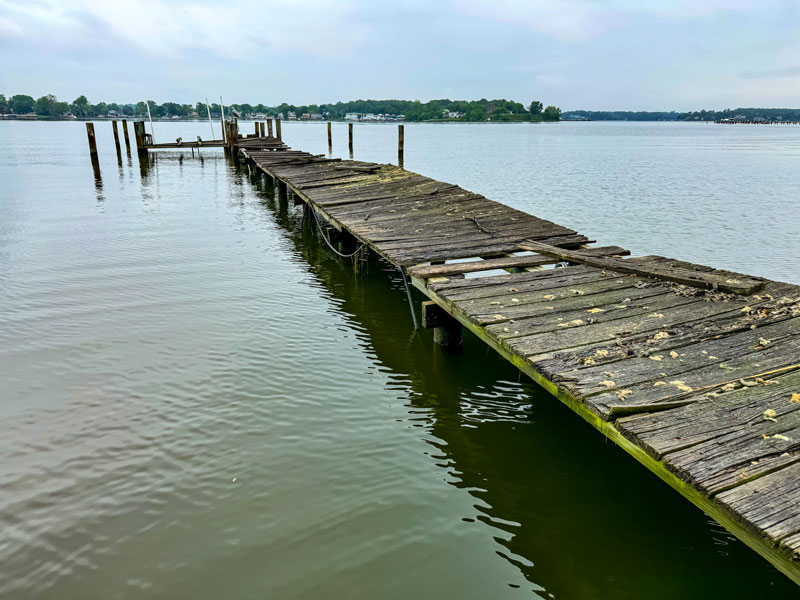
The Evolution of Docks: From Trade Hubs to Community Spaces
The history of docks has undergone a remarkable transformation, evolving from bustling trade hubs that facilitated commerce and industry, to vibrant community spaces that foster social interaction and recreational activities. In the early days, docks served as the lifeblood of maritime trade, connecting distant markets and enabling the exchange of goods. As cities expanded and economies grew, these areas became the epicenters of shipping and logistics, bustling with merchants, sailors, and workers. However, with the advent of modern transportation and changes in global trade patterns, the role of docks began to shift. Many once-bustling ports faced decline as containers and freight moved to larger facilities along with advances in transport logistics.
Today, many docks have been revitalized as community spaces, transforming these once-industrial sites into recreational areas that promote local culture and community engagement. Cities across the globe are investing in their waterfronts, turning old piers and wharves into parks, promenades, and event spaces that encourage public gatherings and activities. Features such as bike paths, playgrounds, and outdoor dining have replaced the clamor of shipping cranes and cargo containers, inviting people to enjoy the scenic views and partake in festivals and markets. This evolution not only enhances the quality of urban life but also serves to reconnect residents with their city's maritime heritage.
Counter-Strike is a popular tactical first-person shooter video game series that has captivated millions of players worldwide. The gameplay typically involves two teams, terrorists and counter-terrorists, competing in objective-based missions. As players strategize, they can enhance their gaming experience by optimizing their setups, and you can check out the Top 10 macbook docks to find the best accessories for your gaming needs.
Sustainable Design: How to Build Eco-Friendly Waterfronts
Sustainable Design is becoming increasingly vital in urban development, particularly when it comes to creating eco-friendly waterfronts. These spaces, which often serve as a connection between urban environments and natural waterways, have the potential to support biodiversity, enhance community engagement, and promote environmental stewardship. To achieve this, planners and architects should focus on implementing features such as native plant landscaping, permeable surfaces for stormwater management, and the use of recycled materials in construction. By prioritizing these elements, we can not only minimize ecological footprints but also create vibrant public spaces that foster a deep connection with nature.
Furthermore, integrating renewable energy sources and sustainable transportation options is essential for developing eco-friendly waterfronts. For instance, incorporating solar panels and wind turbines can significantly reduce energy consumption, while electric charging stations and bike-sharing programs encourage a shift away from fossil-fuel-dependent travel. Additionally, public education initiatives about environmental conservation can help raise awareness and foster community involvement. Ultimately, by embracing sustainable design principles in waterfront development, cities can create resilient and attractive spaces that benefit both people and the planet.
What Are the Latest Trends in Waterfront Development?
As urban populations continue to grow, waterfront development is becoming a focal point for city planners and developers alike. The latest trends indicate a shift towards sustainable practices, with an emphasis on integrating green spaces and promoting biodiversity. These developments often feature mixed-use spaces, which combine residential, commercial, and recreational areas in a single location. This approach not only enhances the aesthetic appeal of waterfronts but also encourages community engagement, offering amenities such as parks, walking paths, and public art installations.
In addition to sustainability, smart technology is becoming increasingly prevalent in waterfront projects. Developers are incorporating smart lighting, energy-efficient appliances, and advanced waste management systems to create environmentally friendly spaces. Furthermore, the use of innovative materials and design concepts, like floating structures and adaptable waterfront parks, is redefining how we interact with our environments. According to industry experts, these trends are not just responsive to climate change but are essential for creating resilient communities that can thrive in the face of evolving urban challenges.