Understanding the Basics: What is Decentralized Betting & Why Should You Care?
At its core, decentralized betting leverages blockchain technology to remove intermediaries from the traditional gambling ecosystem. Instead of relying on centralized bookmakers that dictate odds, hold funds, and verify outcomes, decentralized platforms utilize smart contracts and distributed ledgers. This means that bets are placed and settled programmatically, transparently, and immutably on a blockchain. Participants directly interact with these smart contracts, eliminating the need for trust in a third party. This fundamental shift offers significant advantages, including enhanced security, greater transparency in odds and payouts, and often, lower fees due to the absence of profit-driven intermediaries. Understanding this foundational concept is crucial for anyone interested in the future of online gambling.
You should care about decentralized betting for several compelling reasons, primarily centered around fairness, control, and privacy. Traditional betting often involves opaque processes, where the house always has an inherent advantage and can manipulate odds or even delay payouts. Decentralized platforms, conversely, offer:
- Provably Fair Outcomes: Smart contracts ensure results are determined transparently and cannot be tampered with.
- User Custody of Funds: Your money remains in your wallet until the bet is settled, not held by a third party.
- Enhanced Privacy: Many decentralized platforms allow for pseudonymity, reducing the need to share extensive personal information.
These benefits collectively create a more equitable and secure betting environment, empowering users with greater agency over their funds and gameplay. For those seeking a more trustworthy and modern approach to wagering, decentralized betting represents a significant leap forward.
A decentralized sportsbook leverages blockchain technology to offer a transparent and secure betting experience, removing the need for traditional intermediaries. This innovative approach ensures provably fair outcomes and allows for peer-to-peer wagering with enhanced privacy and reduced fees.
Your First Blockchain Bet: A Step-by-Step Guide with Common Pitfalls & FAQs
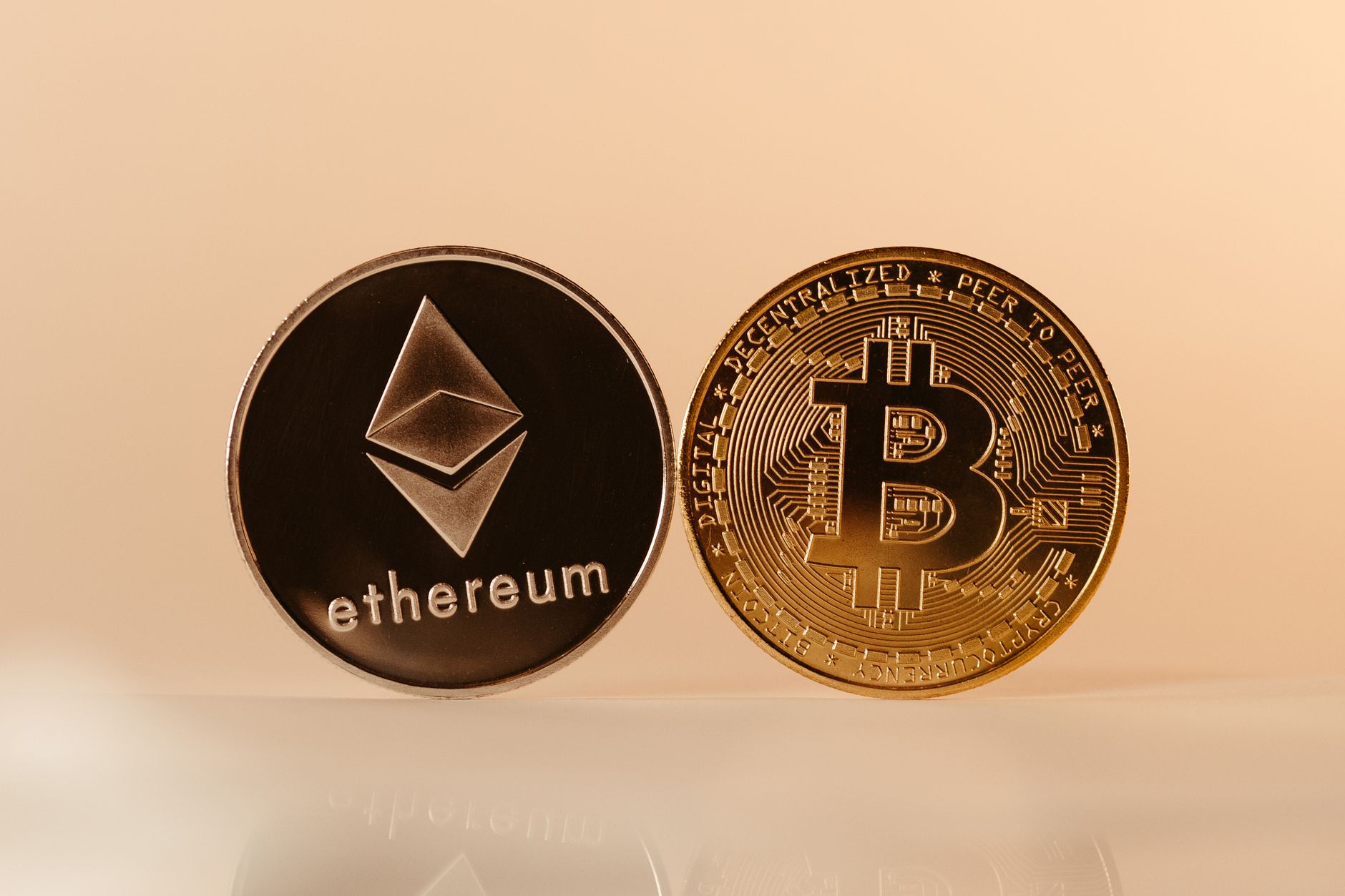
Embarking on your blockchain journey can feel like navigating a new galaxy, but with a structured approach, your first bet can be both insightful and rewarding. Before diving headfirst, it's crucial to understand the fundamental concepts. Start by researching various blockchains (e.g., Ethereum, Solana, Polygon) and their unique value propositions. Consider what problem a particular blockchain aims to solve and how its native token functions within that ecosystem. Are you interested in DeFi, NFTs, or perhaps decentralized applications (dApps)? Your specific interest will guide your research. Next, choose a reputable exchange for your initial purchase. Look for exchanges with strong security, competitive fees, and a user-friendly interface. Never invest more than you can afford to lose, and remember that volatility is a defining characteristic of this nascent market. Diversifying your initial investment across a few promising projects can also mitigate risk.
As you take your first steps, be acutely aware of common pitfalls that can derail even the most enthusiastic newcomer. One primary trap is falling for 'get rich quick' schemes or hyped projects without conducting thorough due diligence. Always scrutinize whitepapers, team backgrounds, and community sentiment. Another significant pitfall is neglecting security.
Your private keys are the keys to your digital assets – treat them with the utmost care. Never share them and consider a hardware wallet for long-term storage.Furthermore, be wary of phishing scams and fake websites; always double-check URLs. For frequently asked questions, many beginners wonder about taxes on crypto gains (consult a tax professional!), or how to transfer assets between exchanges (understand network fees and addresses). Remember, continuous learning is paramount in the rapidly evolving blockchain space. Stay updated through reputable news sources and community forums to refine your strategies and avoid costly mistakes.