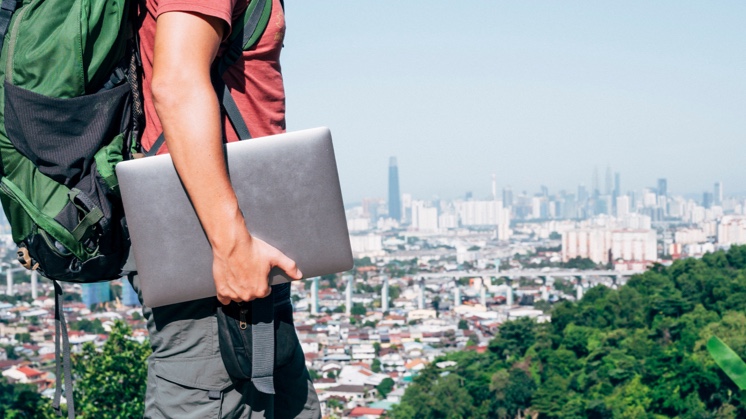
The Rise of the Digital Nomad: How Remote Work is Transforming Office Spaces
The rise of the digital nomad phenomenon is reshaping traditional office spaces as the demand for flexible work arrangements soars. As more individuals embrace remote work, companies are adapting by offering hybrid models that blend remote and in-office work, allowing employees to choose where and how they contribute. This shift necessitates a reevaluation of office designs, with an emphasis on creating collaborative environments that foster innovation while accommodating the needs of a diverse workforce. Companies are transforming their offices into co-working spaces that prioritize comfort, creativity, and community, enabling workers to engage more effectively.
Moreover, the increasing prevalence of remote work has led to a growing emphasis on technology and infrastructure within office settings. Employers are investing in advanced communication tools and ergonomic furnishings, recognizing that the well-being of their employees is paramount. As the boundaries between home and office blur, organizations must now prioritize flexibility, inclusivity, and work-life balance in their designs. Ultimately, these changes are not just beneficial for employees but also enhance overall productivity, marking a significant transformation in the way we view office spaces in the evolving landscape of work.
Counter-Strike is a highly popular first-person shooter game that has captivated millions of players globally. It features a team-based gameplay where players can choose to be either terrorists or counter-terrorists, completing objectives or eliminating the opposing team. If you're looking for tips on how to travel while enjoying gaming, check out the Top 10 Travel Accessories for Digital Nomads to enhance your experience.
Are Traditional Offices Becoming Obsolete? Insights from the Digital Nomad Lifestyle
As remote work continues to gain traction globally, the question arises: Are traditional offices becoming obsolete? The rise of the digital nomad lifestyle is a significant factor in this evolution. Digital nomads leverage technology to work from anywhere, effectively blurring the lines between work and travel. With tools like video conferencing, cloud computing, and project management software, professionals no longer need to gather in the same physical space. This shift toward flexibility and location independence is appealing not just to freelancers and entrepreneurs, but also to employees craving a better work-life balance.
Moreover, the changing landscape of work has prompted companies to rethink their real estate investments. Traditional offices often come with high overhead costs, and maintaining large spaces may not be justifiable in an age where remote collaboration tools are available. Many businesses are adopting hybrid work models that allow employees to split their time between home and the office. This evolution suggests that while traditional offices won't disappear overnight, their role will likely diminish as more individuals embrace the freedom of the digital nomad lifestyle.
What Makes Coworking Spaces Attractive to Digital Nomads?
In recent years, coworking spaces have become increasingly popular among digital nomads seeking flexible work environments. One of the primary attractions of these spaces is the ability to network and collaborate with like-minded professionals from diverse industries. In a coworking space, you can engage with others who share a similar entrepreneurial spirit, leading to valuable connections and opportunities. Additionally, these spaces often organize social events and workshops, fostering a sense of community that can be hard to find when working remotely.
Another compelling reason digital nomads are drawn to coworking spaces is the combination of amenities and resources they offer. These spaces typically provide high-speed internet, access to meeting rooms, and comfortable workstations, allowing users to focus on productivity without the distractions of a traditional coffee shop environment. Furthermore, many coworking spaces are located in prime urban locations, making them easily accessible and providing a vibrant atmosphere that inspires creativity and motivation—essential elements for traveling professionals looking to maintain their productivity while exploring new destinations.