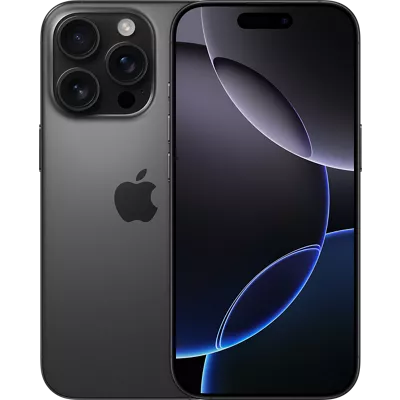
Unlocking Your iPhone's Secrets: How It Knows You Better Than Your Best Friend
Your iPhone is more than just a device; it's a personal assistant that knows you better than your best friend.
From tracking your daily habits to understanding your preferences, unlocking your iPhone's secrets can help you maximize its potential. Features like Siri learn from your voice commands and usage patterns, while apps like Health monitor your physical activities, sleep patterns, and even heart rate. Understanding how these features work can make your iPhone an invaluable tool in your everyday life.
Counter-Strike is a popular first-person shooter video game that emphasizes teamwork and strategy. Players can engage in intense matches, taking on roles such as terrorists or counter-terrorists, with various objectives to accomplish. For players looking to protect their devices while gaming, you can find the Top 10 iPhone leather cases to ensure your phone stays stylish and safe.
The Science Behind Your iPhone's Personalization: What Algorithms Reveal About You
The personalization features of your iPhone are driven by complex algorithms that analyze vast amounts of data. These algorithms are designed to enhance your user experience by tailoring content and recommendations based on your unique preferences and habits. For instance, when you frequently interact with specific apps, the algorithm takes note of your usage patterns and learns to prioritize those apps on your home screen. This dynamic adaptation not only improves the accessibility of your most-used tools but also fuels a more engaging interaction with your device.
Furthermore, the algorithms employed by your iPhone delve into your past behaviors, preferences, and even location data. This information allows your device to present you with personalized suggestions in various applications, from Apple Music playlists that match your listening history to personalized news feeds. Interestingly, these algorithms can also reveal insights about your personality and lifestyle choices, often leading to a digital identity that mirrors your real-world preferences. As these technologies continue to evolve, understanding the science behind personalization helps users make more informed decisions about their digital footprints.
Can Your iPhone Read Your Mind? Understanding Its Predictive Features
In an era where technology seems to be advancing at lightning speed, many iPhone users find themselves pondering: Can your iPhone read your mind? While the answer is a resounding no, the device’s predictive features may sometimes feel eerily close to mind reading. Apple's sophisticated algorithms analyze user behavior, learning preferences, and patterns of communication over time. This results in personalized suggestions that might appear as though your phone knows what you want before you even express it. For example, the iPhone's predictive text feature and tailored app recommendations work in harmony to create a seamless user experience, making it seem like the device has a mind of its own.
Furthermore, the predictive capabilities extend beyond just text inputs. The iPhone utilizes machine learning to anticipate user needs, such as suggesting frequently contacted individuals when composing messages or even predicting the best times for scheduling events based on past behavior. Such features not only enhance usability but also raise intriguing questions about privacy and data collection. As users, it’s essential to consider how much we are willing to trade off in terms of privacy for the convenience provided by these advanced technologies. Ultimately, while your iPhone may not read your mind, its predictive features are designed to make your life easier by anticipating your needs.