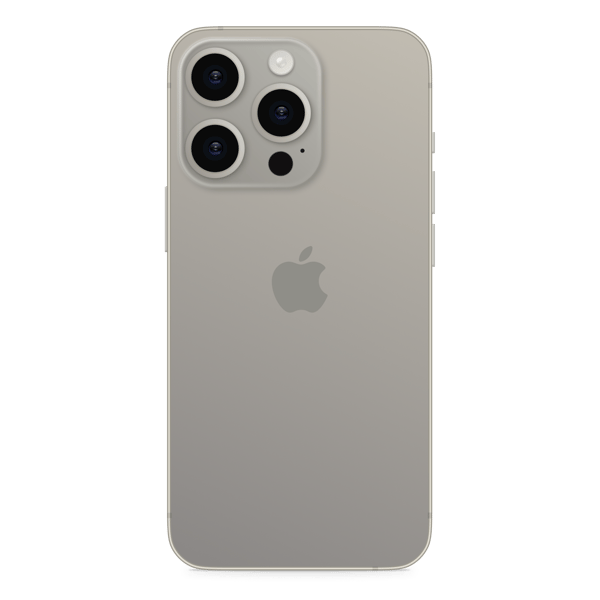
The Science Behind Predictive Text: How Your iPhone Anticipates Your Next Words
The science behind predictive text is a fascinating intersection of linguistics, artificial intelligence, and machine learning. When you type on your iPhone, the device analyzes the context of your previous words to make educated guesses about what you might say next. This predictive capability is fueled by algorithms that study vast amounts of text data, allowing your iPhone to learn patterns in language usage. It takes into account not only the words you've previously used but also the relationships between them, enhancing the accuracy of its predictions.
One of the key technologies driving this feature is known as natural language processing (NLP). NLP enables your device to understand the nuances of human language, making sense of sentence structure, context, and even polysemy—where a single word can have multiple meanings. The more you interact with your iPhone, the more it learns about your unique language habits, which helps to refine its suggestions. As a result, the next time you start typing, your iPhone can anticipate your next words with remarkable efficiency, ultimately improving your texting experience.
Counter-Strike is a highly popular first-person shooter game that promotes teamwork and strategy. Players can choose to fight as terrorists or counter-terrorists, each with unique objectives. To enhance your gaming setup, consider checking out the Top 10 iphone desk stands to keep your devices organized while playing. With its competitive scene and constant updates, Counter-Strike remains a staple in esports.
Unveiling the Algorithms: What Makes Predictive Text So Accurate?
The accuracy of predictive text relies heavily on algorithms that analyze vast amounts of data to understand language patterns. These algorithms use techniques such as machine learning and natural language processing (NLP), enabling them to learn from user input and improve over time. By processing previous texts, they can anticipate the next word or phrase a user is likely to type. For instance, a predictive text system trained on a wide array of conversations may utilize statistical models to highlight trends in word usage, thus enhancing its ability to suggest contextually appropriate options.
Furthermore, the implementation of deep learning has transformed predictive text into a more sophisticated tool. Unlike traditional methods, deep learning algorithms can understand the nuances of human language, including idioms, slang, and even emotional tone. These algorithms often utilize neural networks that simulate the workings of the human brain, processing information in layers to improve prediction accuracy. As a result, users benefit from faster writing experiences and fewer errors, leading to a more satisfying interaction with their devices.
Can Your iPhone Really Read Your Mind? Understanding the Limits of Predictive Text
In the age of advanced technology, many users find themselves wondering, can your iPhone really read your mind? While it may seem like a magic trick, the truth lies within the capabilities of predictive text. This sophisticated feature relies on algorithms that analyze your writing habits, frequently used phrases, and contextual clues to suggest words and phrases as you type. However, it’s essential to recognize the limits of predictive text; it cannot truly understand your thoughts or intentions. Instead, it learns from patterns and data collected from your previous interactions, making educated guesses about what you might say next.
Moreover, while predictive text can often produce impressively accurate suggestions, it is not infallible. Users may experience frustration when the suggestions lead to errors or misunderstandings. For instance, a user might type a completely different word than intended, leading to a jarring autocorrect. This underscores the importance of recognizing the technology’s role as a predictive tool rather than an all-knowing entity. As we continue to embrace advancements in mobile technology, it’s vital to understand both the conveniences and limitations of features like predictive text, steering clear of the misconception that your iPhone possesses mind-reading abilities.