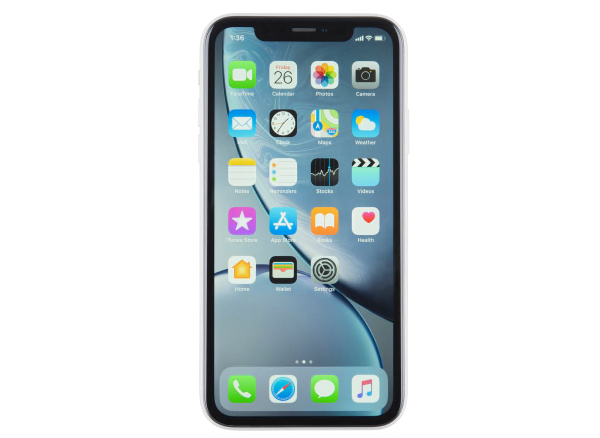
The Dark Side of Apple: When iPhone Obsessions Become Addictions
In the tech-savvy world we live in, it's hard to overlook the powerful hold that Apple products, particularly the iPhone, have on users. While these devices offer unparalleled convenience and communication, they also bring forth a troubling phenomenon known as iPhone addiction. Many individuals find themselves constantly checking notifications, scrolling through social media feeds, and even losing sleep due to their compulsive iPhone usage. This obsession not only disrupts personal relationships but can lead to mental health issues, such as anxiety and depression, as users grapple with the fear of missing out (FOMO) and the incessant need for digital validation.
Moreover, the dark side of this obsession reveals itself in how technology is designed to keep users engaged. Features like infinite scrolling, push notifications, and customized algorithms make it challenging for users to disconnect. As a result, iPhone addicts often prioritize device engagement over real-life experiences, which can diminish their overall quality of life. Understanding the depth of this addiction is crucial in fostering healthier relationships with technology, as individuals must strive to find a balance between their digital lives and the world around them.
Counter-Strike is a popular multiplayer first-person shooter game that has been captivating players since its initial release in 1999. It features two teams, Terrorists and Counter-Terrorists, who compete in various game modes, including bomb defusal and hostage rescue. The game's balance, tactics, and teamwork dynamics have contributed to its enduring success and have made it a staple in the competitive gaming scene, often with players striving to improve their skills and strategies. If you’re also interested in enhancing your mobile gaming experience, check out our Top 10 iphone 17 cases for added protection.
Beyond the Screen: Recognizing the Signs of Apple Overindulgence
In today's digitally driven world, many individuals find themselves deeply embedded in their Apple devices, often without realizing it. The allure of the latest iPhone, iPad, or Mac can lead to excessive screen time, impacting both mental and physical health. Recognizing the signs of Apple overindulgence is crucial for maintaining a healthy balance. Look out for symptoms such as irritation when separated from your device, a constant urge to check notifications, or neglecting face-to-face interactions. These signs not only indicate overuse but can also lead to more serious issues like anxiety or decreased productivity.
To mitigate the impact of Apple overindulgence, it's essential to establish boundaries with technology. Consider implementing strategies like scheduled screen breaks or utilizing the built-in health features that monitor your usage. Additionally, engage in activities that require being screen-free, such as reading a book, going for a walk, or enjoying time with friends. By consciously acknowledging your device habits and taking proactive steps, you can maintain a healthier relationship with technology, ensuring that it serves you rather than controls you.
Is Your iPhone Controlling You? Exploring the Psychology Behind Apple Obsessions
The relationship between users and their iPhones can often feel one-sided, with devices taking a stronger hold on our daily lives than we might realize. In today's digital age, it's essential to explore the psychology behind this phenomenon. Are our iPhones merely tools, or have they transformed into a form of obsession? Studies suggest that the constant notifications, updates, and features designed to enhance user engagement can lead to a state where the device feels more like a necessity than a luxury. Understanding this dynamic is crucial, as it invites self-reflection on how much control we surrender to our devices.
Additionally, the allure of Apple products stems from their design and marketing, which tap into our fundamental psychological needs. Apple has perfected the art of creating a sense of belonging and identity through its products. According to a recent survey, over 80% of iPhone users admit to feeling a sense of anxiety when separated from their devices. This attachment can lead to compulsive behaviors, such as checking notifications or scrolling through social media for long periods. By recognizing these patterns, we can regain control and ensure that we are the ones wielding our devices, not the other way around.