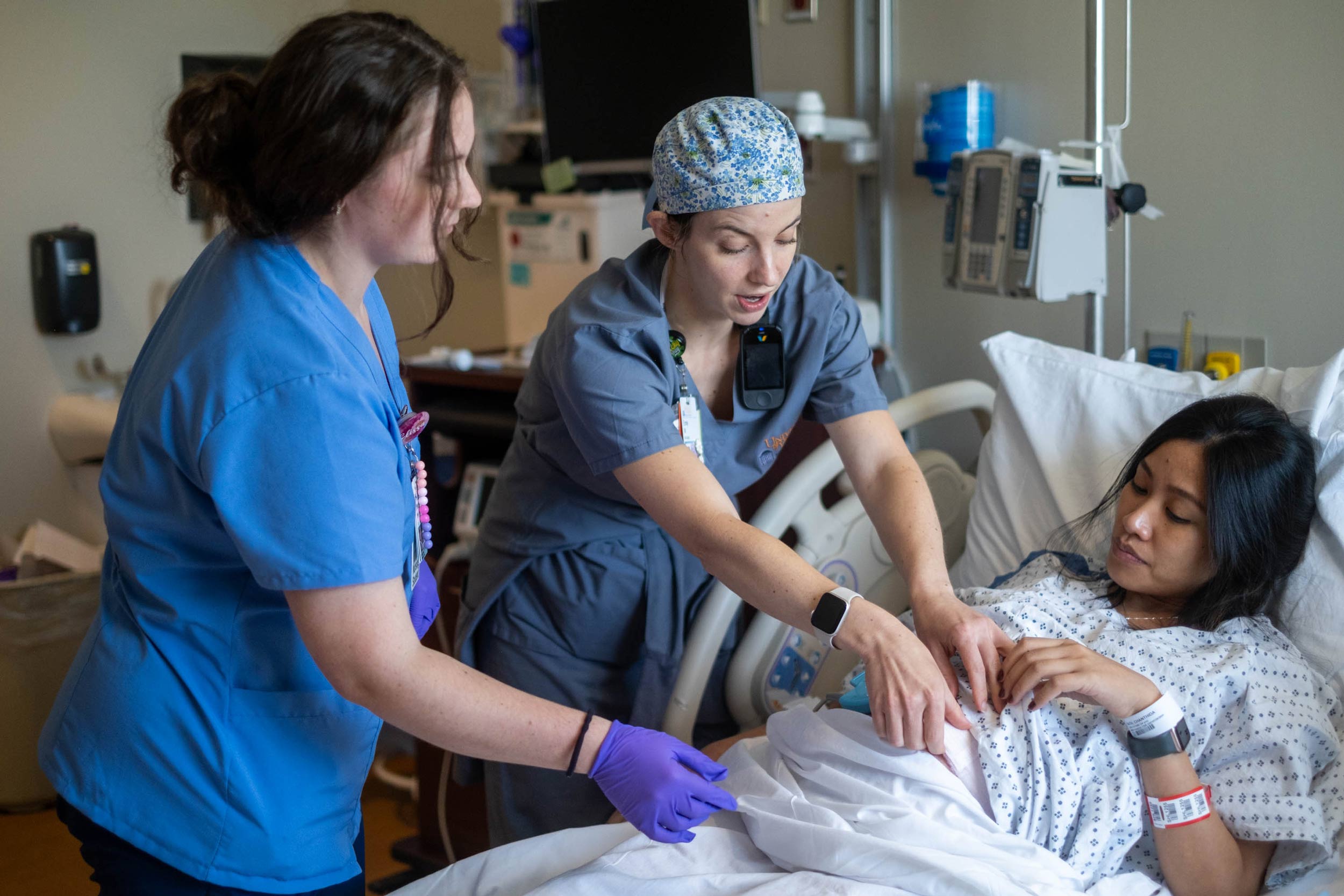
Navigating Burnout: Effective Coping Strategies for Nurses
Burnout is an all too common issue among nurses, who often face high levels of stress and emotional fatigue. As a healthcare professional, it is essential to recognize the symptoms of burnout early on. These can include feelings of exhaustion, detachment, and decreased job performance. To combat this, implementing effective coping strategies is crucial. Some helpful techniques include practicing mindfulness, taking regular breaks, and engaging in physical activity. By prioritizing self-care, nurses can reclaim a sense of balance and mitigate the effects of burnout.
Additionally, building a supportive network can be an instrumental aspect of overcoming burnout. A strong support system can be formed through peer relationships, mentorship, and professional counseling. Consider participating in group discussions or seeking out colleagues who understand the pressures of nursing. It’s also important to set realistic goals and establish boundaries between work and personal life. As you navigate burnout, remember to celebrate small victories and stay committed to your well-being through consistent self-reflection and adaptation.
Counter-Strike is a highly popular tactical first-person shooter that pits two teams against each other: the Terrorists and the Counter-Terrorists. Players take on different roles, utilizing strategy, teamwork, and skill to complete objectives or eliminate the opposing team. For parents looking to streamline their feeding routine, check out these Top 10 Fast Bottle Warmers to keep your baby's bottles warm quickly and efficiently.
The Evolution of Patient Care: How Technology is Transforming Nursing
The field of nursing has experienced a significant transformation with the advent of new technologies. Patient care is now more efficient, data-driven, and personalized than ever before. Innovations such as Electronic Health Records (EHR), telemedicine, and wearables are enabling nurses to provide real-time monitoring and more accurate assessments of patient conditions. For instance, EHR systems streamline access to patient histories, leading to improved diagnosis and treatment plans. Additionally, telehealth platforms allow nurses to maintain contact with patients remotely, thereby enhancing accessibility and convenience for those with mobility issues or chronic conditions.
Moreover, technology is redefining the way nurses engage with their patients. The use of mobile applications to track patient health metrics, such as vital signs and medication adherence, empowers nurses to intervene promptly when needed. Furthermore, the integration of artificial intelligence (AI) in nursing is aiding patient care by predicting patient deterioration and suggesting appropriate interventions. As nurses embrace these advancements, they not only improve outcomes but also enhance their critical thinking skills and overall job satisfaction. In essence, the evolution of nursing technology represents a pivotal shift toward a more holistic and informed approach to patient care.
What They Don’t Teach You in Nursing School: Real-Life Lessons from the Frontlines
While nursing school provides a solid foundation in theory and clinical practice, real-life lessons often unfold on the frontlines of healthcare that textbooks simply can't capture. One of the most surprising revelations for new nurses is the importance of communication skills. Effective communication goes beyond just interacting with patients; it extends to collaborating with multidisciplinary teams, navigating challenging conversations, and addressing misunderstandings promptly. Mastering this skill can significantly impact patient outcomes and workplace harmony.
Another critical lesson often overlooked in nursing education is the value of self-care and emotional resilience. The demands of nursing can take a toll on mental health, especially when faced with high-stress situations and emotional exhaustion. Implementing practices such as mindfulness, regular exercise, and seeking support from colleagues can help nurses maintain their well-being. Ultimately, understanding that self-care is not a luxury but a necessity allows nurses to provide the best care possible to their patients.